Noga Hithron
Caudex
CuratorRoy Maayan
23.4.26-6.6.26
Noga Hithron was born into a love of craft. Her mother, Sara, was a collector of art—primarily what was then perceived as applied art, everyday art, feminine art. With keen senses, wisdom, and raw sensitivity, Sara gathered more and more wondrous works into a vast collection. What wasn’t there? Fans, tablecloths and napkins, buttons, tools, rulers, silver boxes, embroideries, ropes, grinders, salt shakers, and more. It was an irresistible, dizzying wealth of visual and material beauty.
Yet, simultaneously, Noga grew up facing a rigid perception that viewed feminine crafts as lowly, marginal, and even contemptible. She recognized the hidden and overt patriarchal hierarchies and rebelled against them. With courage and consistency, she acted against this disdain, restoring to these crafts their inherent dignity and power.
Noga and her sisters grew up in front of, alongside, and within this immense collection. It surrounded them. The understanding that there is a feminine power and wisdom capable of turning the wheels of the world was instilled in Noga as a child without words—through the gaze, through the hands. This understanding became the foundation upon which Noga grew: her Caudex. The nourishing base through which she flourishes.
The term Caudex comes from the Latin word for “tree trunk.” In botany, the caudex is a thickened storage organ at the base of a plant, the meeting point between the roots and the stem. It is the plant’s water reservoir, allowing it to survive periods of drought and even achieve full rehabilitation when what appears above the surface seems to wither and vanish.
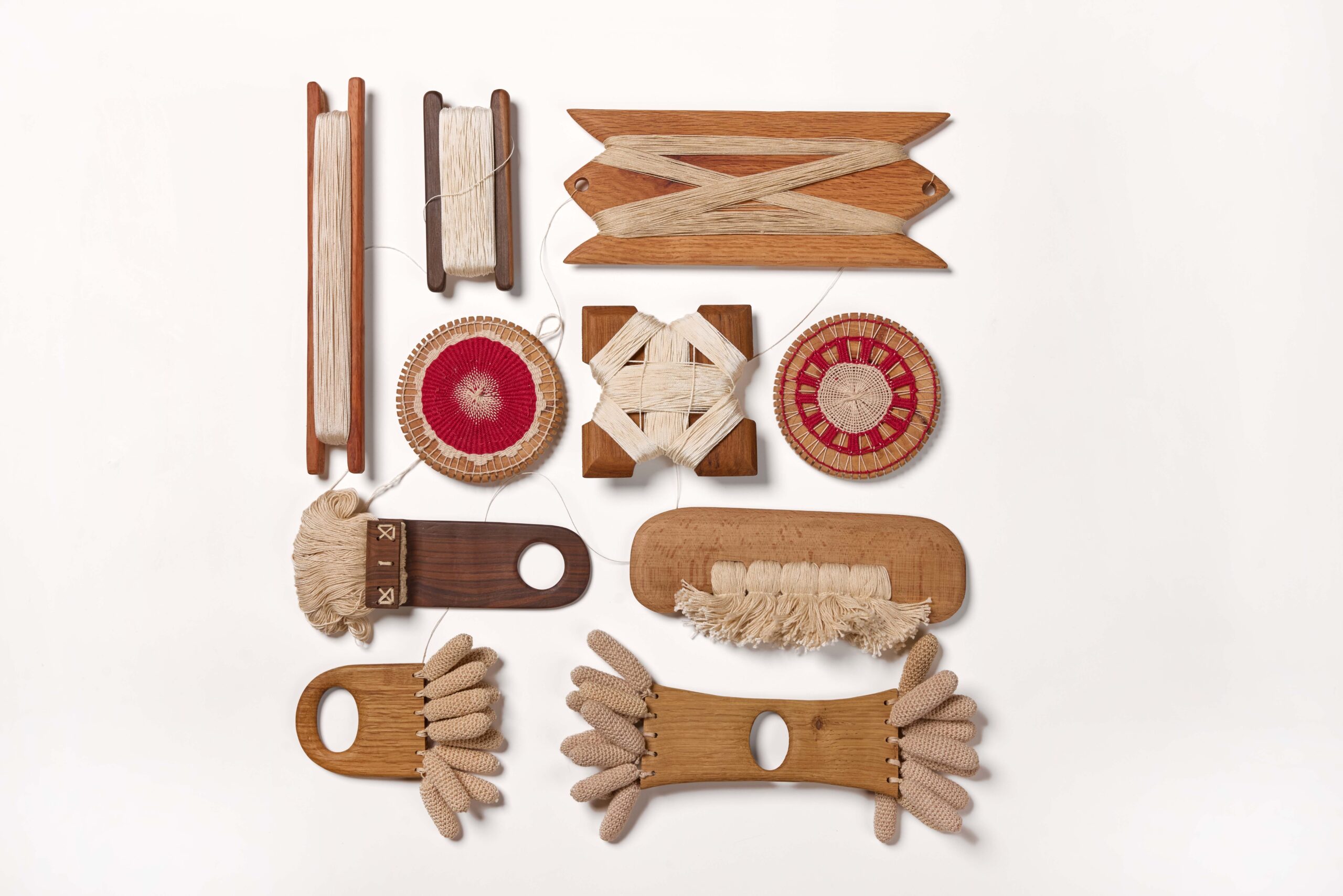
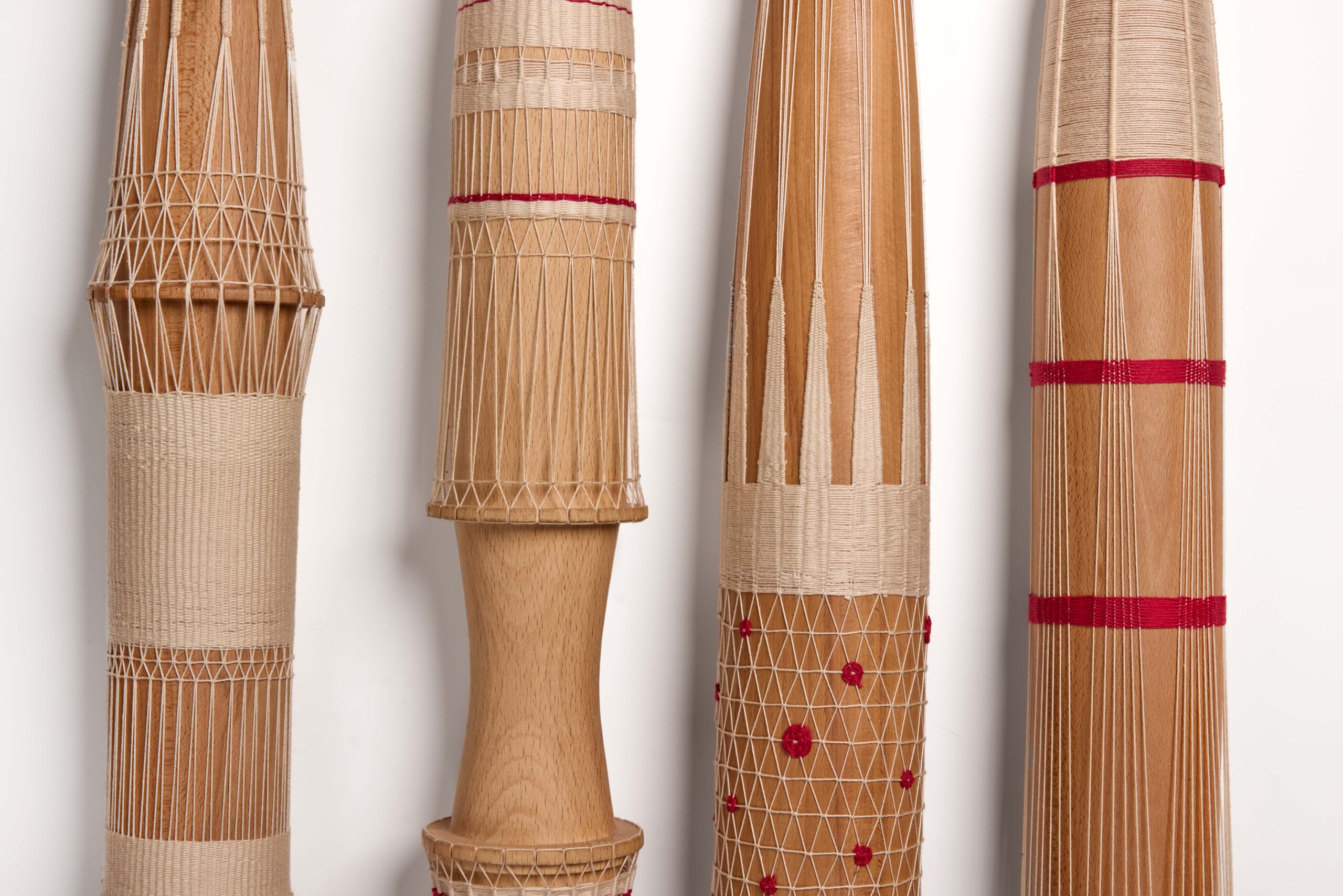
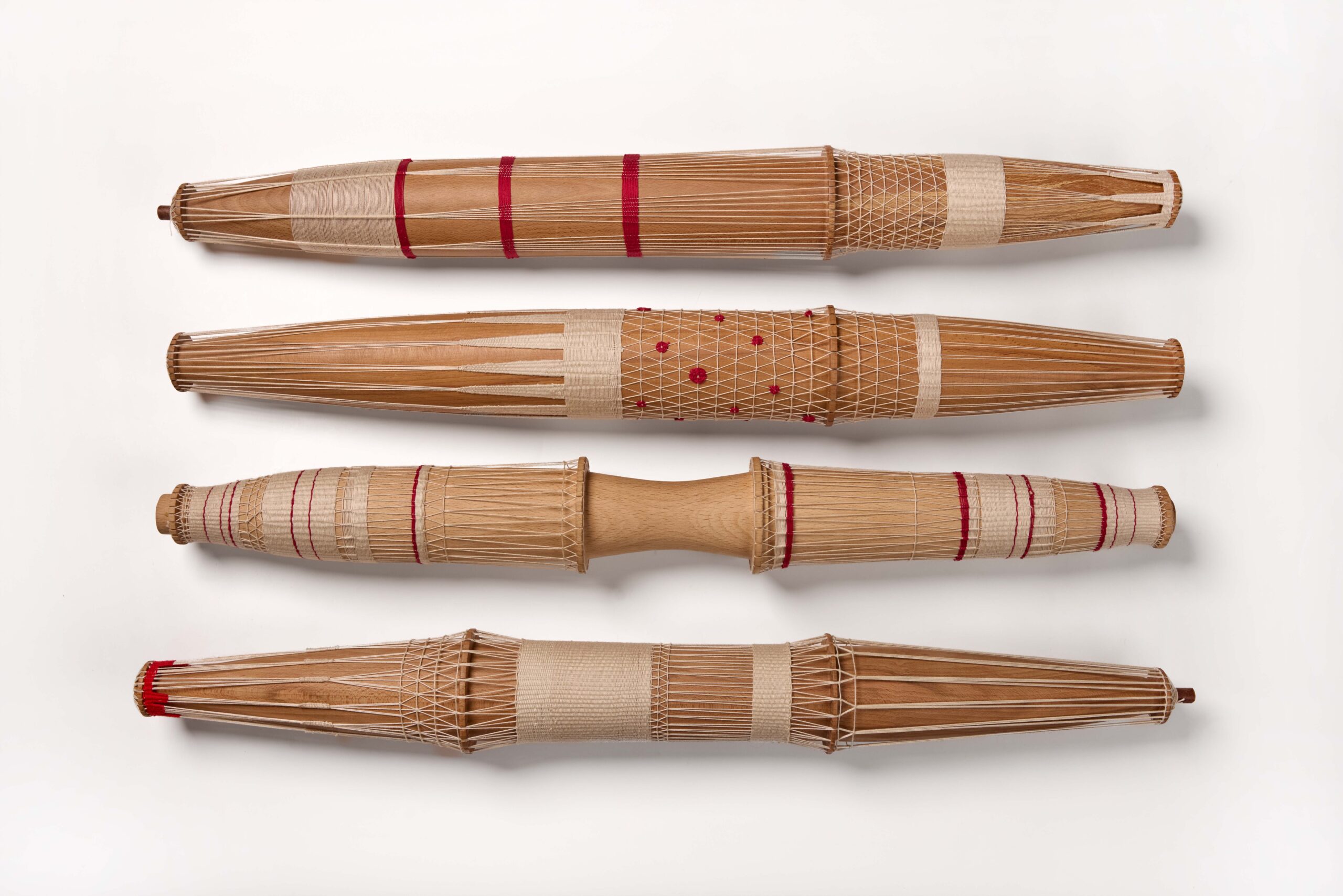
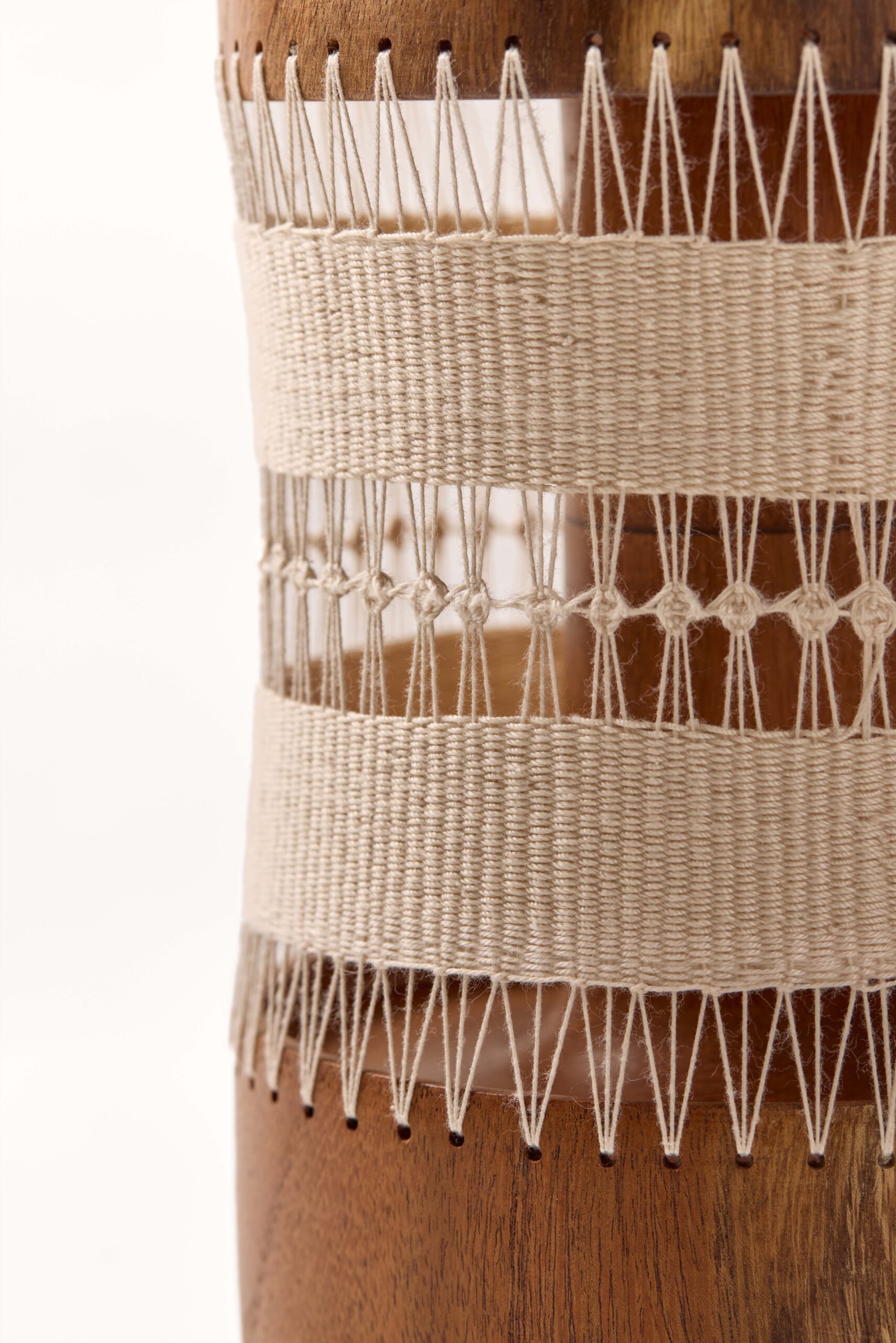
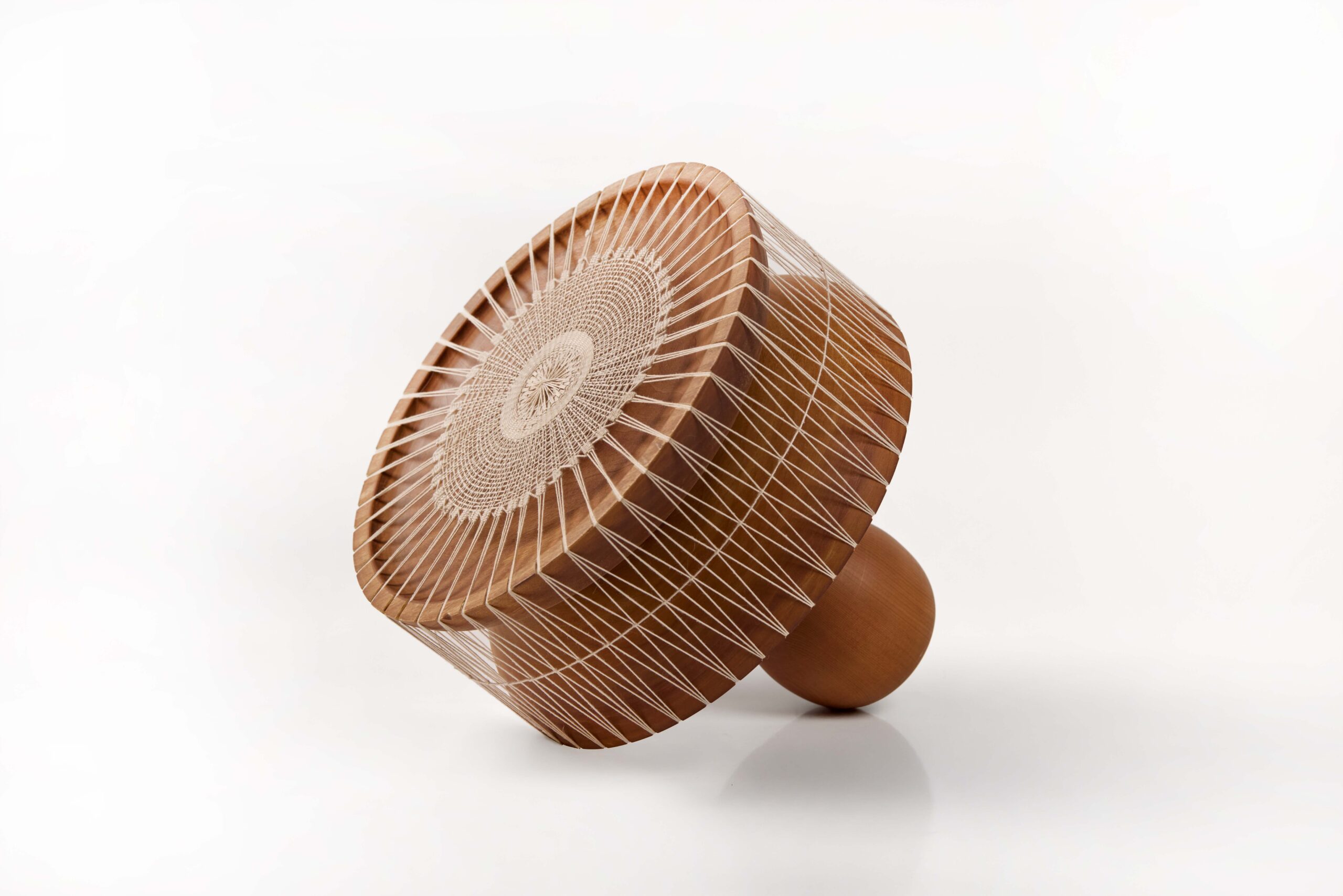
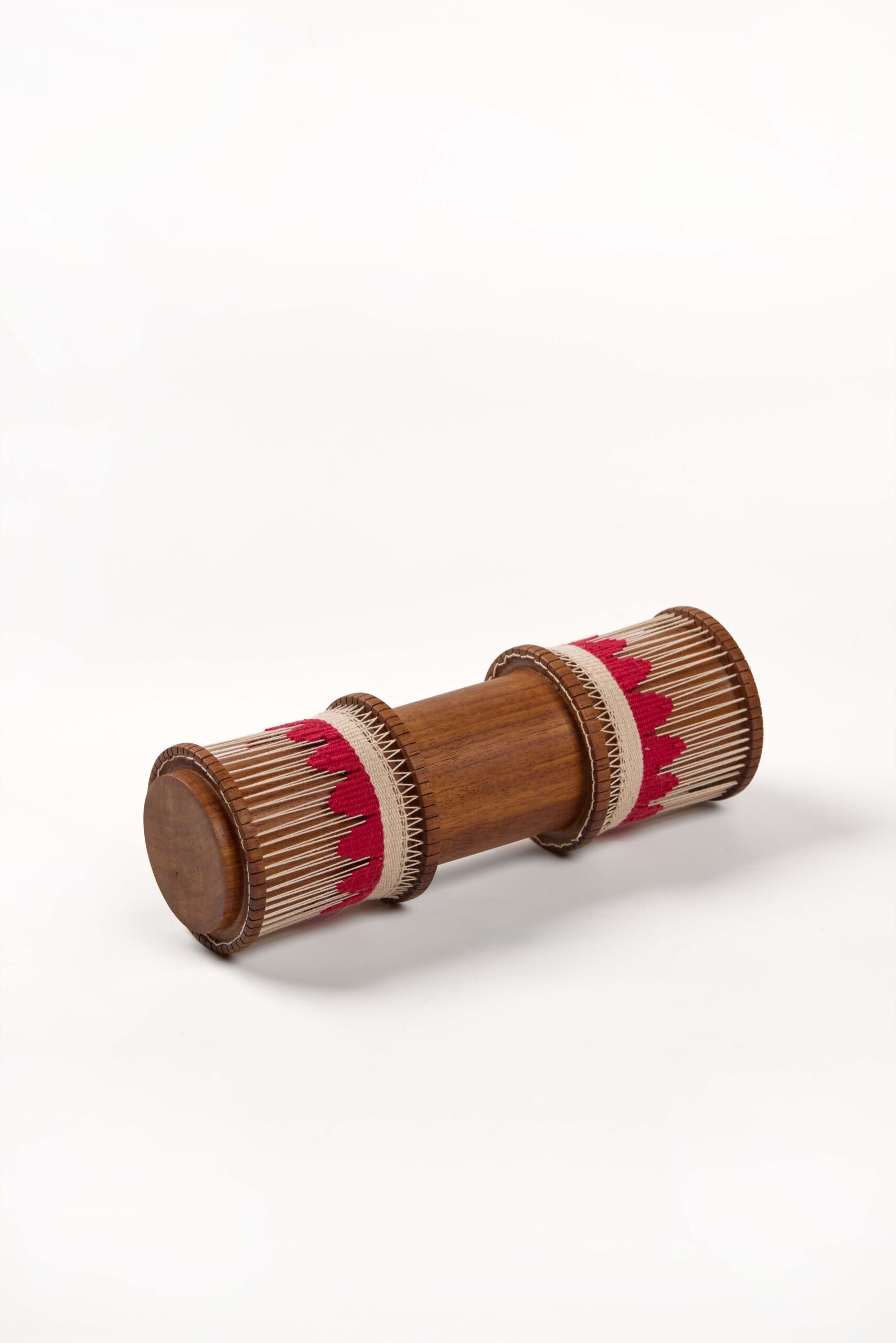
From her own caudex—her nourishing reservoir full of beauty—Noga grows. She is driven by a passion to explore, to understand, and to touch; to pierce, connect, and braid; to carve and to weave. In recent years, she has been researching the ancient South American craft of Ñandutí—an intricate, complex “spiderweb” lace. This is an art passed from mother to daughter for many generations. Through observation and closeness, daughters learn not only the craft but also the strength that exists within the feminine fabric—that which sustains the world and gives it life.
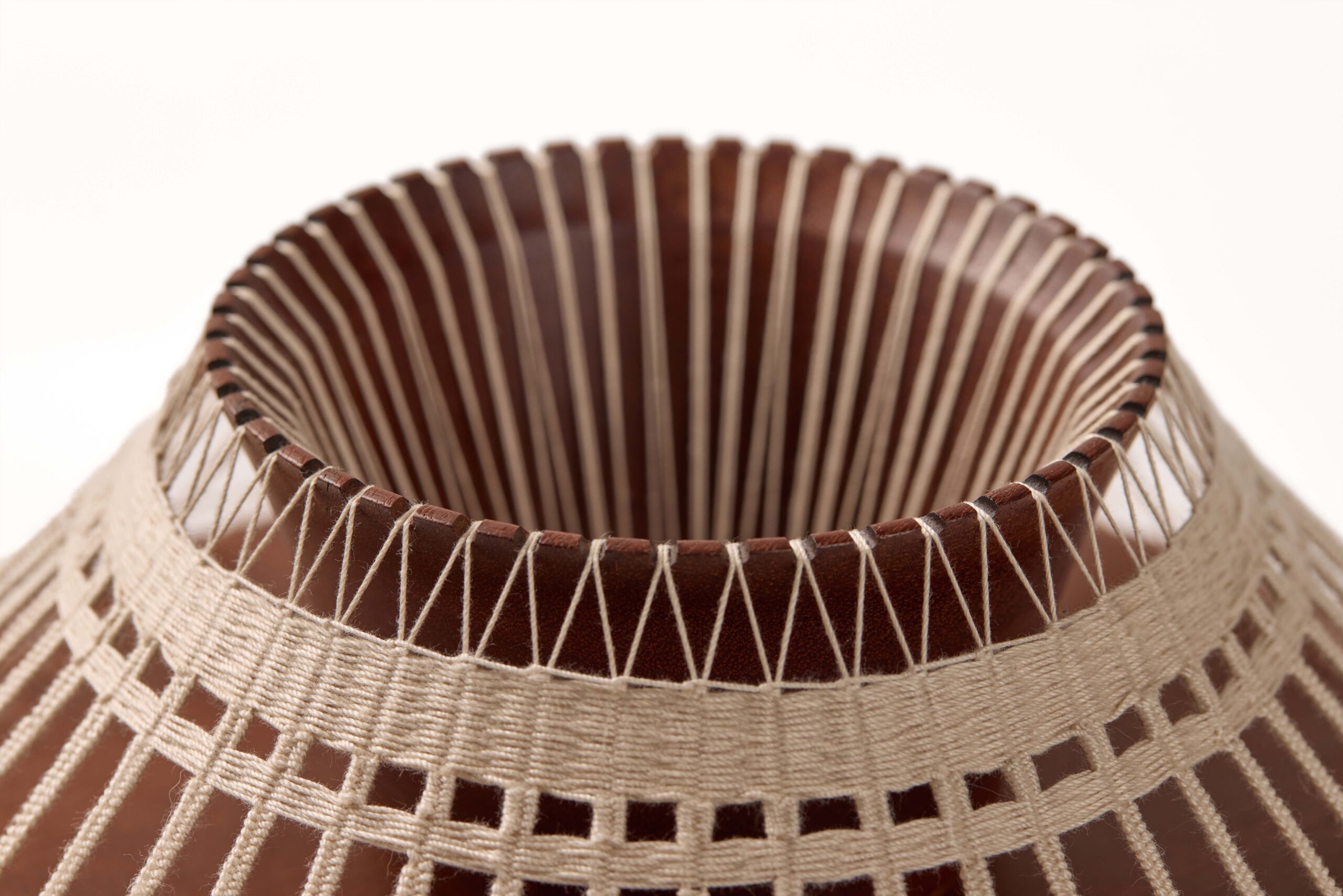
When Noga approaches the loom, the ball of yarn, the crochet hook, or the chisel—the body knows what to do. It knows which posture to adopt, which angle to approach from, what to subtract, and what to add. On the surface, it seems an intuitive movement. But the action stems from knowledge; it has a steadfast core. It grows from a caudex—one that will never run dry.
.
Photos: Tal Sivan TSiporin